
L’Essence du Jeu de Casino en Ligne
Les casinos en ligne offrent une plateforme dynamique pour explorer une multitude de jeux, parmi lesquels les machines à sous occupent une place prépondérante. Ces jeux, appréciés pour leur simplicité et leur potentiel de gains, sont le cœur de l’expérience de divertissement proposée par des établissements comme Spinania. L’excitation réside dans la combinaison des rouleaux, les effets visuels et sonores immersifs, et la perspective de remporter des sommes importantes.

Au-delà du simple hasard, de nombreux joueurs cherchent à optimiser leur temps de jeu et à maximiser leurs chances. Cela implique de comprendre les mécanismes sous-jacents des jeux de casino, y compris les machines à sous, et d’adopter des approches stratégiques. Spinania, en proposant une large sélection de jeux, permet aux joueurs d’expérimenter différentes approches et de découvrir celles qui correspondent le mieux à leur style de jeu. https://spinaniacasino-fr.com/
Comprendre les Mécanismes des Machines à Sous Modernes
Les machines à sous modernes, qu’elles soient classiques ou vidéo, fonctionnent sur la base de générateurs de nombres aléatoires (RNG). Cela garantit que chaque rotation est indépendante des précédentes et que le résultat est purement aléatoire. La compréhension de ce principe est fondamentale pour appréhender le jeu de casino. De plus, les fonctionnalités comme les symboles wilds, scatters, les tours gratuits et les jeux bonus ajoutent des couches de complexité et d’opportunités.
Il est crucial pour tout joueur de se familiariser avec le tableau des paiements (paytable) de chaque machine à sous. Ce tableau détaille la valeur de chaque combinaison gagnante, les règles spécifiques des bonus et le fonctionnement des lignes de paiement. Une bonne connaissance de ces éléments peut aider à faire des choix plus éclairés lors de la sélection d’un jeu et de la définition de sa stratégie de mise.
Stratégies pour Optimiser le Jeu de Casino
Bien qu’il n’existe pas de formule magique pour garantir des gains, certaines stratégies peuvent améliorer l’expérience globale de jeu de casino. Il s’agit notamment de gérer son budget de jeu de manière rigoureuse, de définir des limites de pertes et de gains, et de savoir s’arrêter au bon moment. Cette discipline est essentielle pour maintenir le contrôle et profiter du divertissement sur le long terme.
L’exploration de différentes machines à sous est également une stratégie pertinente. Chaque jeu a son propre taux de redistribution (RTP – Return To Player) et sa propre volatilité. Un RTP élevé signifie qu’une plus grande partie des mises est redistribuée aux joueurs sur la durée, tandis que la volatilité indique la fréquence et l’ampleur des gains. Comprendre ces caractéristiques permet de choisir des jeux qui correspondent à ses objectifs de jeu, que ce soit pour des sessions courtes avec des gains potentiels élevés ou des sessions plus longues avec des gains plus fréquents mais plus modestes.
L’Importance des Bonus dans le Jeu de Casino
Les casinos en ligne tels que Spinania récompensent souvent leurs joueurs avec divers bonus et promotions. Ces offres, comme le bonus de bienvenue allant jusqu’à 500 € et 250 tours gratuits, sont conçues pour augmenter le capital de jeu et prolonger les sessions. Ils représentent une excellente opportunité pour les nouveaux joueurs de découvrir la plateforme et ses jeux sans risquer autant leur propre argent.
Il est cependant indispensable de lire attentivement les conditions associées à chaque bonus. Les exigences de mise (wagering requirements) déterminent combien de fois le montant du bonus doit être misé avant de pouvoir être retiré. Une compréhension claire de ces termes permet d’utiliser les bonus de manière optimale et d’éviter toute déception. Spinania met un point d’honneur à proposer des conditions transparentes pour que les joueurs puissent pleinement profiter de ces avantages.
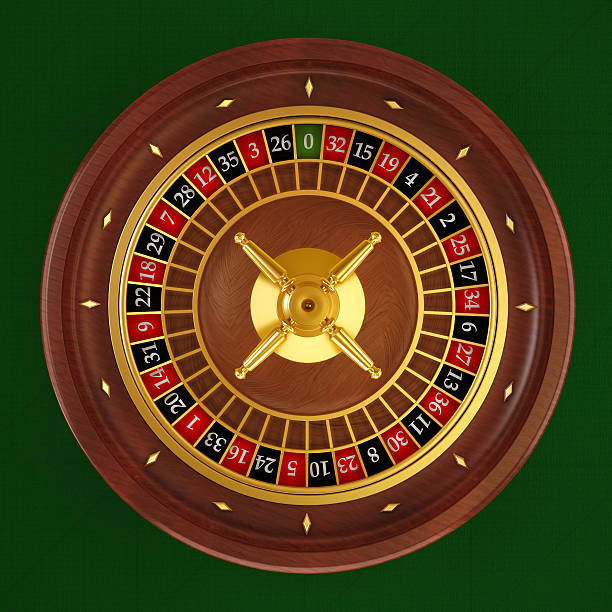
Spinania : Votre Destination pour une Expérience de Casino Exceptionnelle
Spinania se distingue par son offre complète de jeux de casino, incluant une section de casino en direct dynamique pour une immersion totale. La plateforme est pensée pour offrir une expérience utilisateur fluide et sécurisée, où les joueurs peuvent se concentrer sur le plaisir du jeu et la recherche de gains. Les machines à sous, avec leur variété et leurs thèmes captivants, constituent une part importante de cette sélection.
Avec ses bonus attrayants, comme l’offre de bienvenue mentionnée, et un engagement envers la satisfaction du joueur, Spinania s’affirme comme un choix privilégié pour les amateurs de casino en ligne. Que vous soyez un joueur expérimenté ou débutant, la plateforme vous invite à découvrir le frisson du jeu, à explorer de nouvelles stratégies et à tenter votre chance dans un environnement stimulant et divertissant.