
How to differentiate between skill-based and chance-based games
Understanding Skill-Based Games
Skill-based games rely heavily on the player’s ability to make strategic decisions, employ tactics, and utilize their expertise to influence the game’s outcome. These games often require training, practice, and an understanding of the mechanics involved. Players can improve their performance through experience and knowledge, making skill a determining factor in winning. Classic examples include chess, poker, and various competitive sports.
What sets skill-based games apart is the level of control they offer players. Unlike chance-based games, where outcomes are dictated by luck or random events, the player’s actions directly impact the results in skill-based formats. This means that adept players can often outperform less skilled opponents consistently, reinforcing the importance of skill in these scenarios.
The Nature of Chance-Based Games
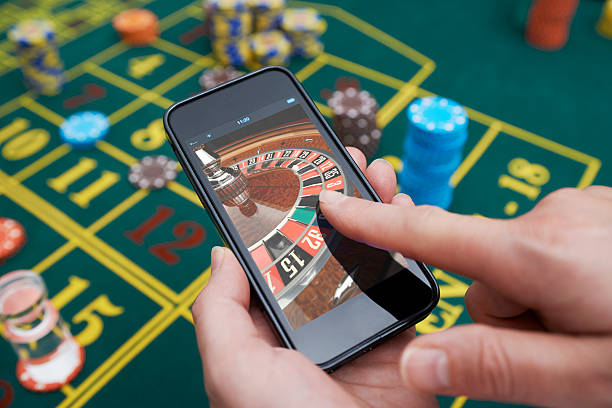
Chance-based games, on the other hand, involve outcomes that are predominantly influenced by random factors, such as dice rolls, shuffled cards, or spinning wheels. While players may employ certain strategies, the core result hinges on luck rather than the players’ abilities. Common examples include slot machines, roulette, and lotteries, where the outcome is largely unpredictable.
Hybrid Games: A Combination of Skill and Chance
Some games incorporate elements of both skill and chance, creating a hybrid experience for players. In these games, while luck plays a significant role, a player’s skills can still impact their potential success. Consider games like blackjack, where players must make decisions on whether to hit or stand, yet the outcomes can still hinge on the card shuffle.

This hybrid format often leads to engaging experiences as players navigate the balance between skill and luck, challenging themselves against both the game and their opponents. Understanding where a game falls on the skill versus chance spectrum can enhance players’ enjoyment and strategic approach to these unique gaming experiences.
The Importance of Knowing Which Type of Game you are Playing
Recognizing whether a game is skill-based or chance-based is crucial for setting expectations regarding winning and losing. Gamblers, for instance, may alter their approach depending on their understanding of the game’s underlying mechanics. A realization that a game is primarily chance-based can lead to more responsible gaming habits, whereas acknowledging a skill-based game can encourage players to practice and refine their expertise.
Moreover, this awareness can inform decisions about wagering amounts, time investments, and game selection. By choosing games that align with personal strengths—whether that be strategic thinking in skill-based formats or simply enjoying the thrill of chance-based games—players can enhance their overall experience and satisfaction.
Explore More on Our Website
If you’re intrigued and want to dive deeper into the distinctions between skill-based and chance-based games, visit us at https://dk-admire.com/. Our platform provides resources, articles, and insights tailored to both novice players and seasoned gamblers alike.
Understanding the nuances of different game types can empower your gaming decisions and enhance your enjoyment. Whether you’re looking for strategies to improve in skill-based games or simply seeking the thrill of luck in chance-based formats, our website offers the information you need to navigate the exciting world of gaming.